
A modern POS system helps increase restaurant profits by improving operational efficiency, reducing unnecessary costs, increasing average order value, and providing accurate business data. While attracting more customers is important, improving the profitability of your existing business often delivers faster and more sustainable results.
Many restaurant owners focus on increasing sales, but revenue alone does not guarantee a profitable business. Food costs, labour expenses, menu pricing, customer retention, inventory control, and daily operations all influence your bottom line. Understanding how these areas work together allows restaurant owners to make better business decisions and build a stronger, more profitable restaurant.
What Affects Restaurant Profitability?
Restaurant profitability is the balance between revenue and operating expenses. Even busy restaurants can struggle financially if costs continue to increase or daily operations are inefficient.
Several factors influence restaurant profits every day.
Food and Beverage Costs
Food costs are one of the largest expenses for most restaurants. Purchasing ingredients at competitive prices is important, but controlling how those ingredients are used is equally valuable.
Common issues that increase food costs include:
- Over-ordering stock
- Food spoilage
- Incorrect portion sizes
- Preparation mistakes
- Menu items with low profit margins
Regularly reviewing food costs helps restaurant owners identify where money is being lost and where improvements can be made.
Labour Expenses
Staff wages, superannuation, penalty rates and leave entitlements make labour one of the largest operating expenses in hospitality.
Rather than simply reducing staff numbers, successful restaurants focus on improving productivity. Better workflows, efficient rostering and clear communication help staff serve more customers without compromising service quality.
Menu Pricing
Setting menu prices requires careful planning. Prices that are too low reduce profit margins, while prices that are too high may reduce customer demand.
Restaurant owners should review menu pricing regularly by considering ingredient costs, competitor pricing, customer expectations and overall profitability.
Customer Spending
Every customer who enters your restaurant represents an opportunity to increase revenue.
Small improvements in average transaction value can produce significant results over time. If each customer spends just a few dollars more, the additional revenue quickly adds up across hundreds of transactions every week.
Table Turnover
During busy trading periods, table turnover directly affects restaurant revenue.
Long waiting times between customers reduce the number of meals served each day. Improving ordering, food preparation and payment processes allows restaurants to serve more customers without increasing seating capacity.
Food Waste
Food waste affects profits twice. Restaurants pay to purchase ingredients, then lose additional money when unused stock is discarded.
Monitoring inventory, improving purchasing decisions and reviewing menu performance all help reduce unnecessary food waste.
Supplier Pricing
Restaurant owners should regularly review supplier pricing and compare available options.
Even small savings across frequently purchased ingredients can produce meaningful improvements to annual profitability without affecting menu quality.
Operational Efficiency
Every unnecessary step during service costs both time and money.
Poor communication, manual processes, duplicated work and inefficient workflows reduce productivity throughout the restaurant.
Improving daily operations allows staff to spend more time serving customers and less time completing repetitive tasks.
Repeat Customers
Acquiring new customers requires ongoing marketing investment.
Returning customers already know your restaurant, often spend more over time and are more likely to recommend your business to others.
Building long-term customer relationships creates more stable revenue and improves profitability.
Tips to Increase Restaurant Profits
Increase Your Average Order Value
One of the easiest ways to increase restaurant profits is to encourage customers to spend slightly more during each visit.
Increasing average order value does not require attracting additional customers. Instead, it focuses on making every transaction more valuable while continuing to provide an excellent dining experience.
Even an average increase of $3 to $5 per customer can create a substantial increase in annual revenue.
Offer Meal Upgrades
Many customers are happy to upgrade their order when presented with simple options.
Examples include:
- Regular drink to large drink
- Fries to loaded fries
- Add avocado
- Extra cheese
- Dessert after the main meal
These upgrades often require little additional preparation while generating higher profit margins.
Create Value Meal Combinations
Meal combinations simplify customer decisions while encouraging larger purchases.
Instead of ordering a single burger, customers are more likely to purchase a burger, chips and drink when presented as a value meal.
Bundles also allow restaurants to promote complementary products together, increasing both revenue and customer satisfaction.
Promote High-Margin Menu Items
Not every menu item contributes equally to restaurant profits.
Some dishes are popular but generate relatively small profit margins, while others provide significantly higher returns.
Understanding which items generate the greatest profit allows restaurant owners to feature them more prominently on menus, recommend them during service and include them in promotional campaigns.
This approach is commonly referred to as menu engineering, where menu design is used to improve both sales and profitability.
Train Staff to Recommend Additional Items
Customers often appreciate genuine recommendations from knowledgeable staff.
Suggesting a dessert, premium beverage or side dish should feel helpful rather than pushy.
Simple questions such as:
“Would you like to add garlic bread to share?”
or
“Our house-made dessert is very popular today.”
can increase average transaction values while improving the overall dining experience.
Optimise Your Menu Performance
A busy restaurant is not always a profitable restaurant.
Some menu items may sell well but contribute very little profit, while others generate strong profit margins despite receiving fewer orders.
Regularly reviewing menu performance helps restaurant owners make informed decisions based on actual sales rather than assumptions.
Identify Your Best Sellers
Understanding which dishes customers order most frequently helps restaurants understand customer preferences.
Best-selling items should receive consistent ingredient availability, prominent menu placement and regular quality control to maintain customer satisfaction.
Review Low-Performing Items
Every menu contains products that rarely sell.
Slow-moving dishes increase inventory requirements, complicate kitchen preparation and may contribute to unnecessary food waste.
Review these items regularly and consider whether they should be improved, repriced or removed from the menu.
Review Profit Margins
Sales volume alone does not determine success.
A dish that generates a high profit margin may contribute more to the business than a popular item with very low profitability.
Comparing both sales volume and profit margin provides a more complete understanding of menu performance.
Monitor Seasonal Trends
Customer preferences change throughout the year.
Warm meals may perform well during winter, while lighter dishes and cold beverages often become more popular during summer.
Monitoring seasonal sales trends allows restaurants to adjust menus, promotions and purchasing decisions throughout the year.
Reduce Food Costs Without Reducing Quality
Reducing food costs does not mean serving smaller meals or lowering quality.
Instead, successful restaurants focus on controlling waste, improving purchasing decisions and maintaining consistent preparation standards.
Reduce Food Waste
Food waste directly reduces profitability.
Common causes include:
- Overstocking ingredients
- Incorrect stock rotation
- Preparation mistakes
- Expired products
- Excessive portion sizes
- Slow-moving menu items
Reviewing these areas regularly helps reduce unnecessary losses while improving inventory control.
Improve Inventory Control
Accurate inventory management provides better visibility of stock levels and ingredient usage.
Knowing what is available, what is selling and what needs replenishing helps restaurants purchase more accurately and avoid unnecessary waste.
Better inventory control also reduces emergency purchases, which are often more expensive.
Review Supplier Costs
Ingredient prices change regularly.
Reviewing supplier pricing throughout the year helps restaurants remain competitive while maintaining healthy profit margins.
Negotiating with suppliers or comparing alternative products may produce meaningful savings across frequently purchased ingredients.
Standardise Portion Sizes
Inconsistent portion sizes create inconsistent food costs.
Using standard recipes and portion guidelines helps maintain quality while ensuring every dish remains profitable.
It also improves customer consistency by delivering the same experience every time they visit.
Improve Labour Productivity
Labour is one of the largest operating expenses for any restaurant, but increasing profitability does not always require reducing staff numbers. In many cases, improving the way employees work produces better financial results while maintaining excellent customer service.
Restaurants that simplify daily operations often serve more customers with the same number of employees. Reducing unnecessary movement, improving communication, and streamlining routine tasks all contribute to higher productivity.
Improve Daily Workflows
Every unnecessary step during service costs both time and money.
Review how orders move through your restaurant, from the customer placing an order to food preparation, payment, and table clearing. Bottlenecks often occur because staff are waiting for information, walking between stations, or completing manual tasks that could be simplified.
Improving these workflows allows employees to spend more time serving customers and less time dealing with avoidable delays.
Invest in Staff Training
Employees who understand your menu, procedures and systems work more confidently and make fewer mistakes.
Regular training improves order accuracy, customer service and teamwork. It also reduces the amount of supervision required during busy periods, allowing managers to focus on running the business rather than solving routine problems.
Monitor Labour Performance
Review labour costs alongside daily sales rather than treating them as separate reports.
For example, if labour costs increase while sales remain unchanged, it may indicate overstaffing during quieter periods or inefficient workflows that reduce productivity. Monitoring these trends regularly allows managers to adjust staffing levels without affecting customer service.
Related Article: How to Reduce Restaurant Labour Cost with POS System
Build Customer Loyalty
Finding new customers requires continuous marketing investment, while existing customers already know your business and often spend more over time. Building customer loyalty creates more predictable revenue and improves long-term profitability.
Understand Customer Lifetime Value
A customer who spends $40 during one visit has limited value on their own. However, a customer who returns twice each month for several years may spend thousands of dollars with your restaurant.
This long-term relationship is known as Customer Lifetime Value (CLV) and is one of the most important measurements for sustainable business growth.
Increasing customer retention by only a small percentage can significantly improve long-term profits.
Reward Repeat Customers
Loyalty programs encourage customers to return by offering points, discounts or rewards based on their purchases.
The reward itself does not need to be expensive. A complimentary coffee, dessert or birthday offer can strengthen customer relationships while encouraging future visits.
Personalise Promotions
Customers respond better to promotions that are relevant to their interests.
If a customer regularly orders coffee and breakfast, offering a breakfast promotion is likely to produce better results than sending the same promotion to every customer.
Personalised offers improve engagement while reducing unnecessary discounting.
Make Ordering Easy
Convenience has become an important part of the dining experience.
Providing online ordering, takeaway services and QR ordering allows customers to interact with your restaurant in the way that best suits them. Removing barriers from the ordering process encourages repeat business and improves customer satisfaction.
Make Better Business Decisions Using Data
Successful restaurant owners review business performance regularly instead of relying solely on experience.
Modern reporting provides valuable insights into customer behaviour, sales performance and operational efficiency, allowing decisions to be based on real business data rather than assumptions.
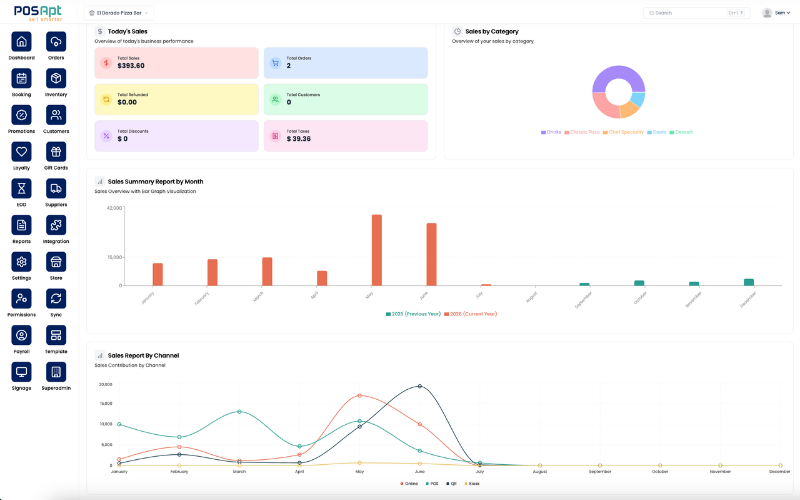
Daily Sales
Daily sales reports provide an overview of how your restaurant performs throughout the week.
Comparing today’s sales with previous days, weeks and months helps identify growth trends, unexpected changes and seasonal patterns. If sales suddenly decline on a typically busy day, managers can investigate the cause before it becomes an ongoing issue.
Reviewing daily performance also makes it easier to evaluate promotions, menu changes and marketing campaigns.
Hourly Trading Patterns
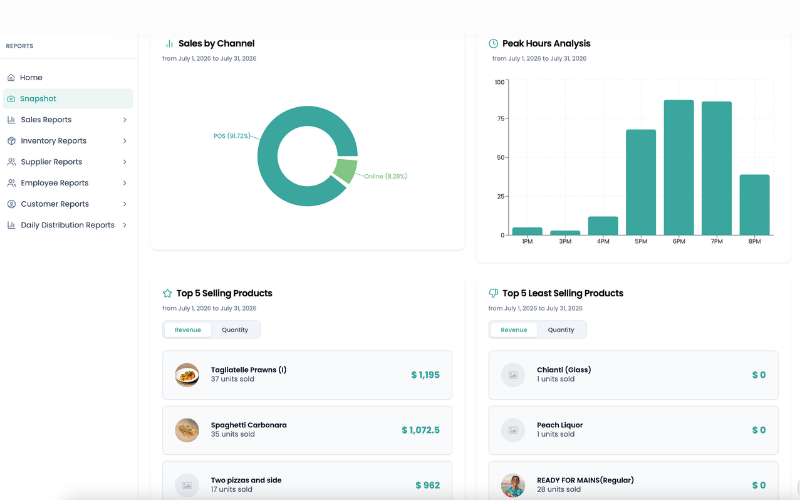
Understanding when customers visit your restaurant helps improve staffing and kitchen preparation.
For example, if lunch service consistently peaks between 12:00 pm and 2:00 pm, additional staff can be scheduled during those hours. If weekday afternoons remain quiet, staffing levels may be adjusted to improve labour efficiency.
Using historical sales data creates more accurate rosters while maintaining excellent customer service.
Average Customer Spend
Tracking average transaction values helps measure the success of menu changes, promotions and upselling strategies.
If customers begin spending more after introducing meal bundles or premium upgrades, restaurant owners know those initiatives are producing positive results.
Even small increases in average transaction value can generate significant additional revenue over an entire year.
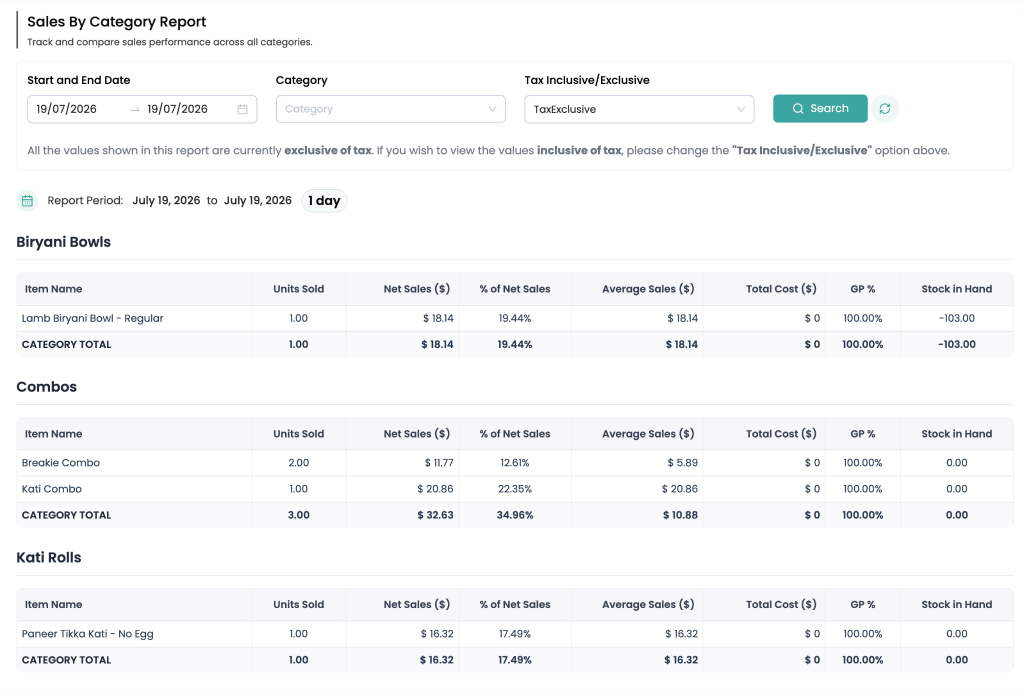
Menu Performance
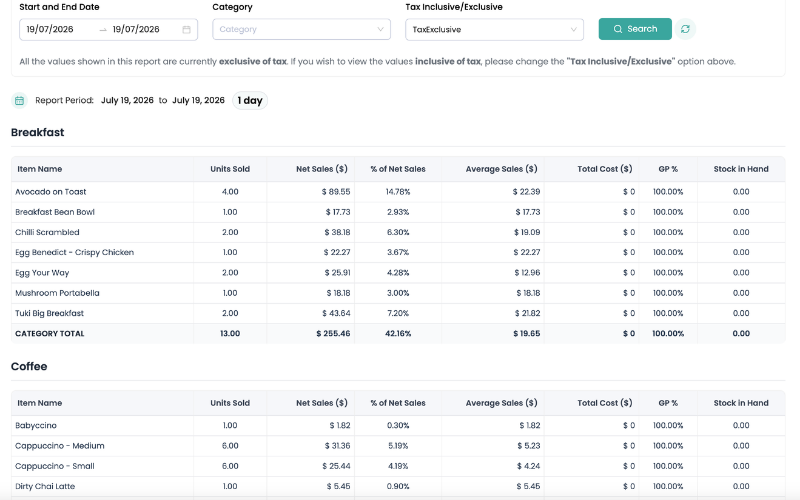
Understanding which dishes perform well helps restaurants make better menu decisions.
Sales reports identify best-selling items, slower-moving products and dishes that generate stronger profit margins. This information supports menu engineering, pricing decisions and promotional planning.
Reviewing menu performance regularly also helps simplify kitchen operations by removing products that contribute little to revenue.
Inventory Usage
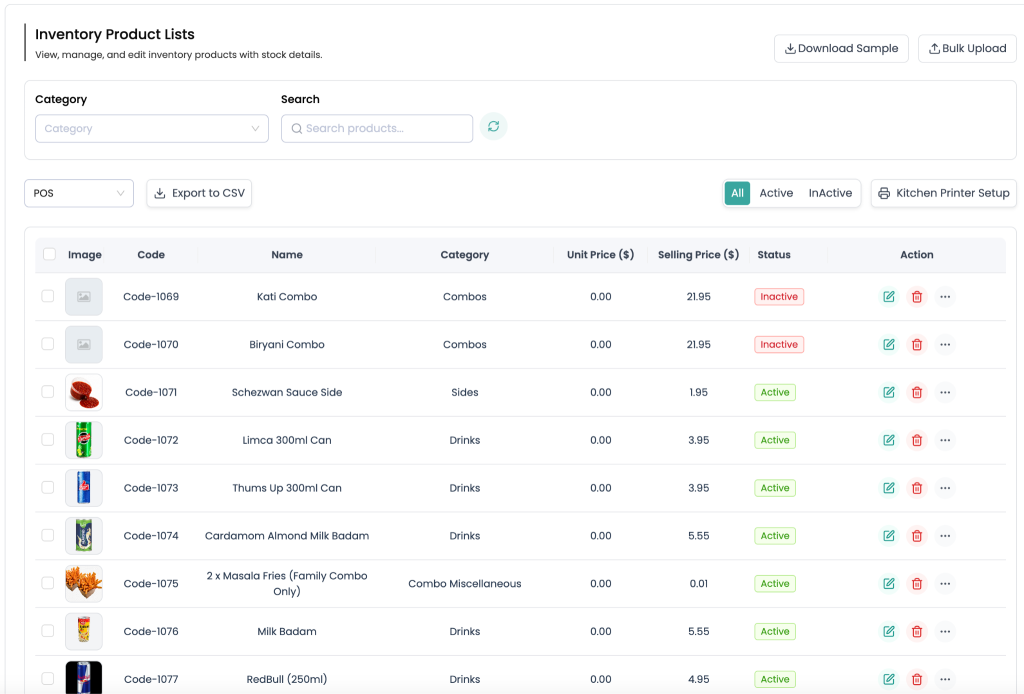
Inventory reports provide valuable information about ingredient consumption and purchasing patterns.
Restaurant owners can identify products that are frequently wasted, ingredients that require more accurate purchasing, and stock levels that may need adjustment throughout the year.
Better inventory control reduces unnecessary waste while improving cash flow.
How a POS System Helps Increase Restaurant Profits
The strategies discussed throughout this guide become much easier to implement when supported by the right technology.
A modern restaurant POS system provides accurate business information, automates routine tasks and simplifies day-to-day operations. Instead of manually collecting information from different sources, restaurant owners can access important business insights in one place and make decisions with greater confidence.
Sales Reporting
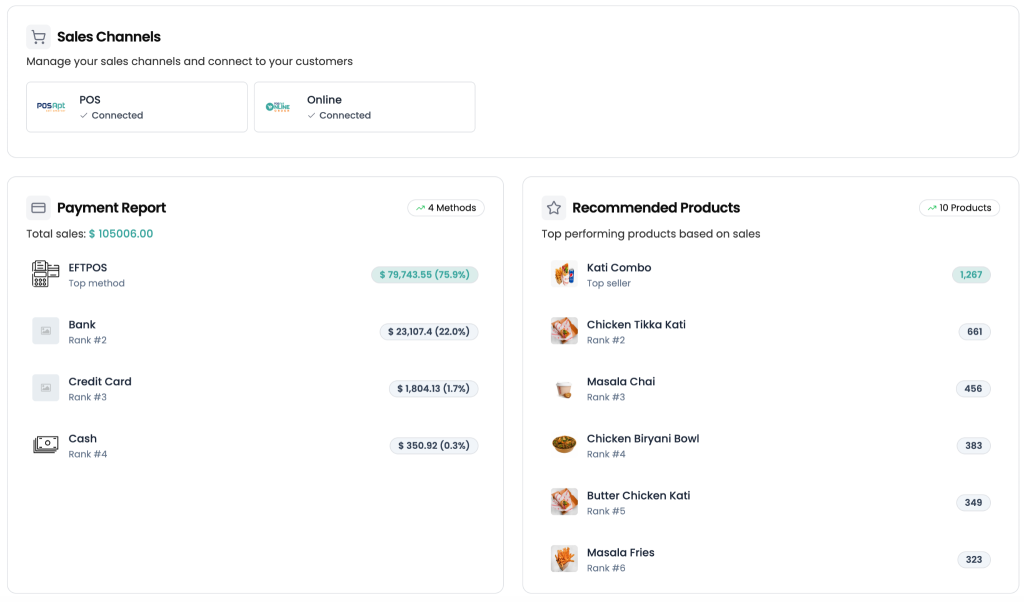
Sales reports provide immediate visibility into business performance.
Restaurant owners can monitor daily revenue, compare trading periods, review payment methods and identify peak trading hours within seconds. Regular reporting helps managers respond quickly to changing business conditions while measuring the effectiveness of promotions and operational changes.
Menu Analytics
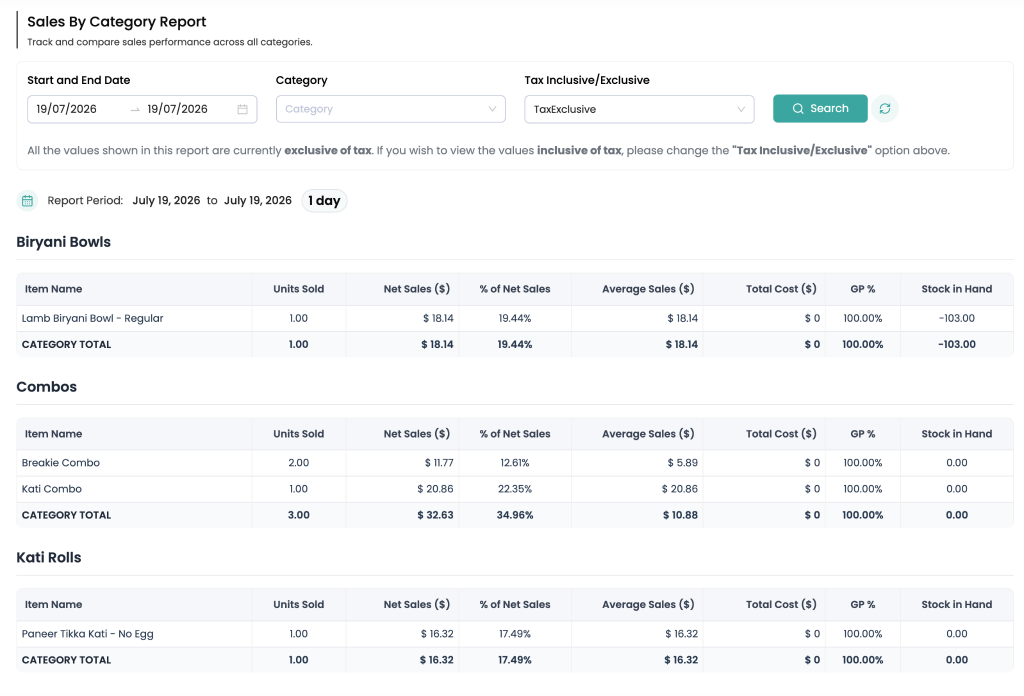
Menu analytics help restaurant owners understand which products contribute most to profitability.
Reports showing sales volume, revenue and product popularity support better pricing decisions, menu engineering and promotional planning. They also make it easier to identify slow-moving products that may be increasing food costs unnecessarily.
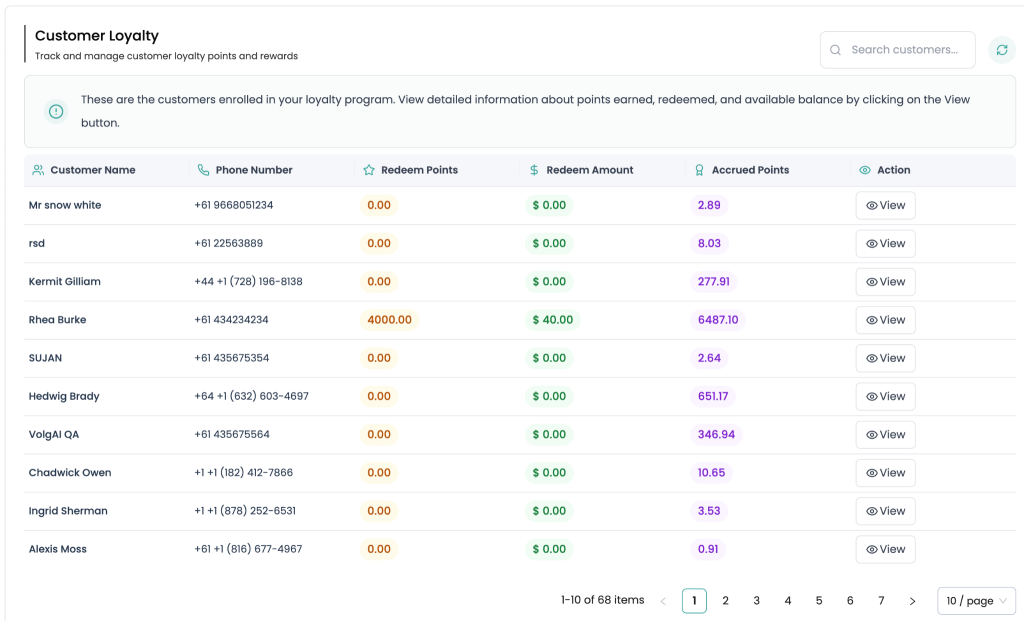
Customer Loyalty
Integrated loyalty programs encourage repeat business while providing valuable customer insights.
Restaurant owners can reward loyal customers, monitor purchasing behaviour and create personalised promotions without relying on separate software.
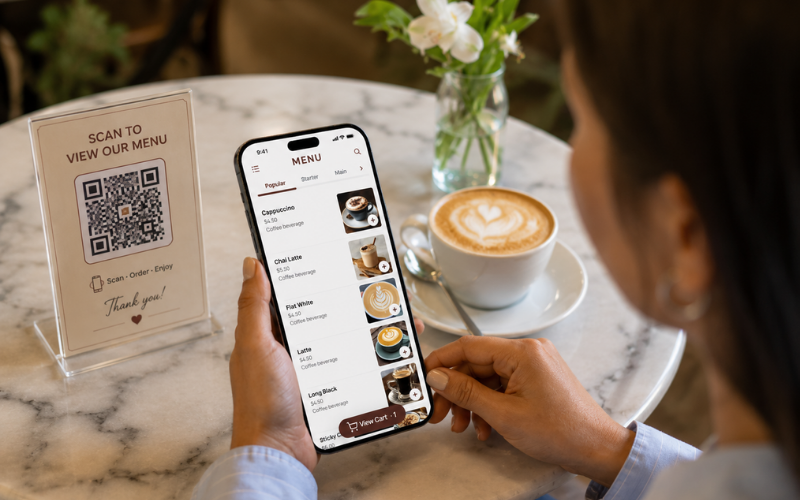
QR Ordering and Online Ordering
Modern ordering options improve convenience for both customers and staff.
Customers can browse menus, customise orders and complete payments using their own devices or through an online ordering platform. This reduces queues during busy periods, improves order accuracy and allows staff to spend more time providing customer service.
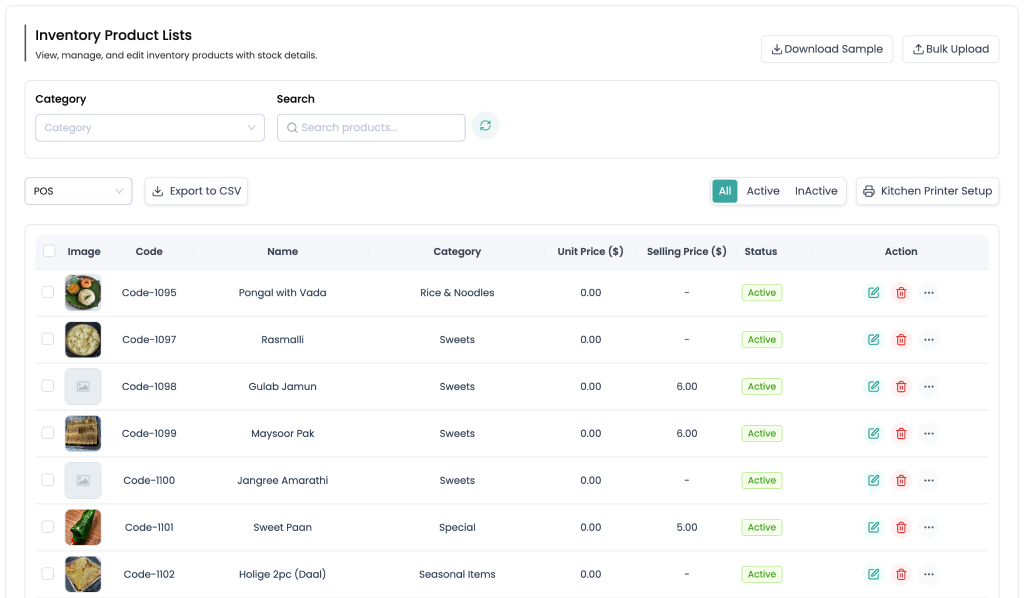
Inventory Management
Inventory management provides greater visibility across purchasing, stock levels and ingredient usage.
Restaurant owners can reduce food waste, improve purchasing decisions and maintain more consistent stock availability while controlling food costs.
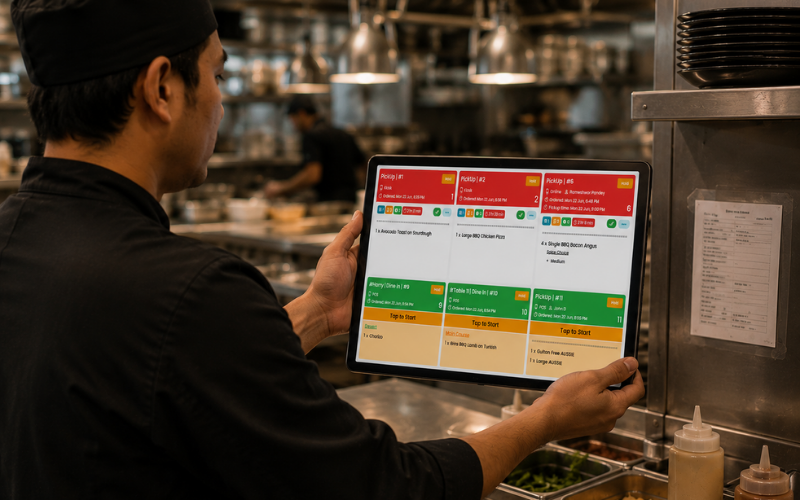
Kitchen Display System
A Kitchen Display System sends orders directly from the POS to digital kitchen screens.
This improves communication between front-of-house and kitchen staff, reduces handwritten order errors and helps chefs prioritise meals more efficiently. Faster communication contributes to smoother service and improved customer satisfaction.
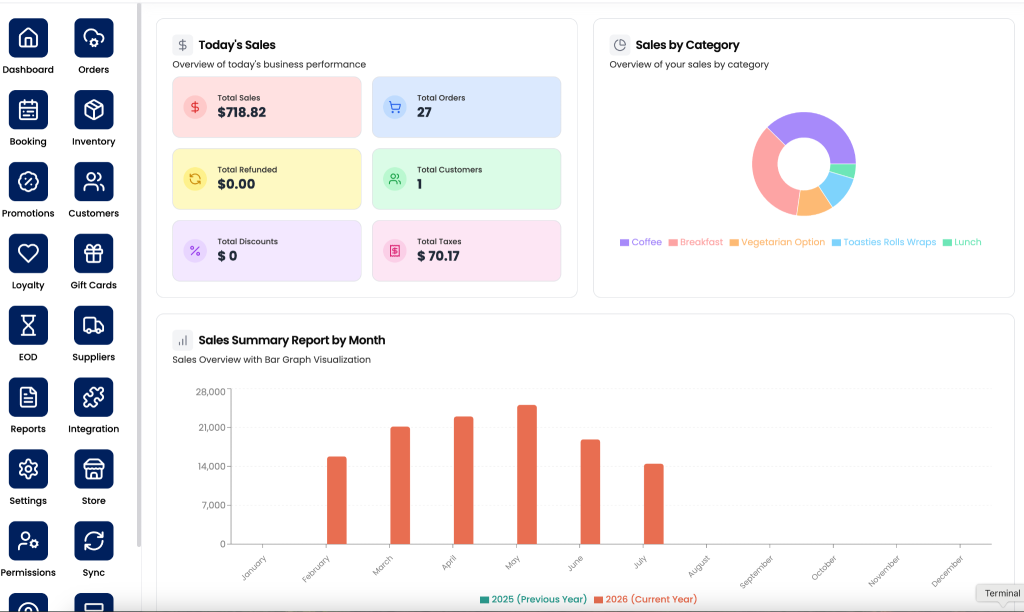
Business Dashboard
A central dashboard combines sales, payments, inventory and operational performance into a single view.
Restaurant owners can quickly understand how the business is performing, identify emerging trends and respond to changing conditions without manually preparing multiple reports.
What to Look for When Choosing a Restaurant POS System
Choosing a POS system is a long-term investment, so it is important to look beyond the monthly subscription price.
Ease of Use
A simple, intuitive system reduces staff training time and allows employees to work confidently from their first day.
Scalability
Choose software that can grow alongside your business. Features such as online ordering, multi-store management and additional integrations become increasingly valuable as restaurants expand.
Transparent Pricing
Understand the total cost of ownership, including POS hardware, software subscriptions, payment processing fees and ongoing support.
Reliable Local Support
Fast technical support helps minimise downtime and allows restaurants to resolve issues quickly during busy trading periods.
Regular Software Updates
Hospitality technology continues to evolve. Regular software updates ensure your restaurant benefits from new features, security improvements and ongoing system enhancements.
Final Thoughts
Increasing restaurant profits requires continuous attention to every part of the business. Improving menu performance, controlling food costs, increasing average customer spending, strengthening customer loyalty and making informed business decisions all contribute to stronger financial performance.
A modern restaurant POS system supports these goals by providing accurate reporting, simplifying daily operations and helping restaurant owners make confident decisions based on real business data. When combined with effective management and excellent customer service, the right POS system becomes a valuable investment that supports long-term growth and profitability.


