
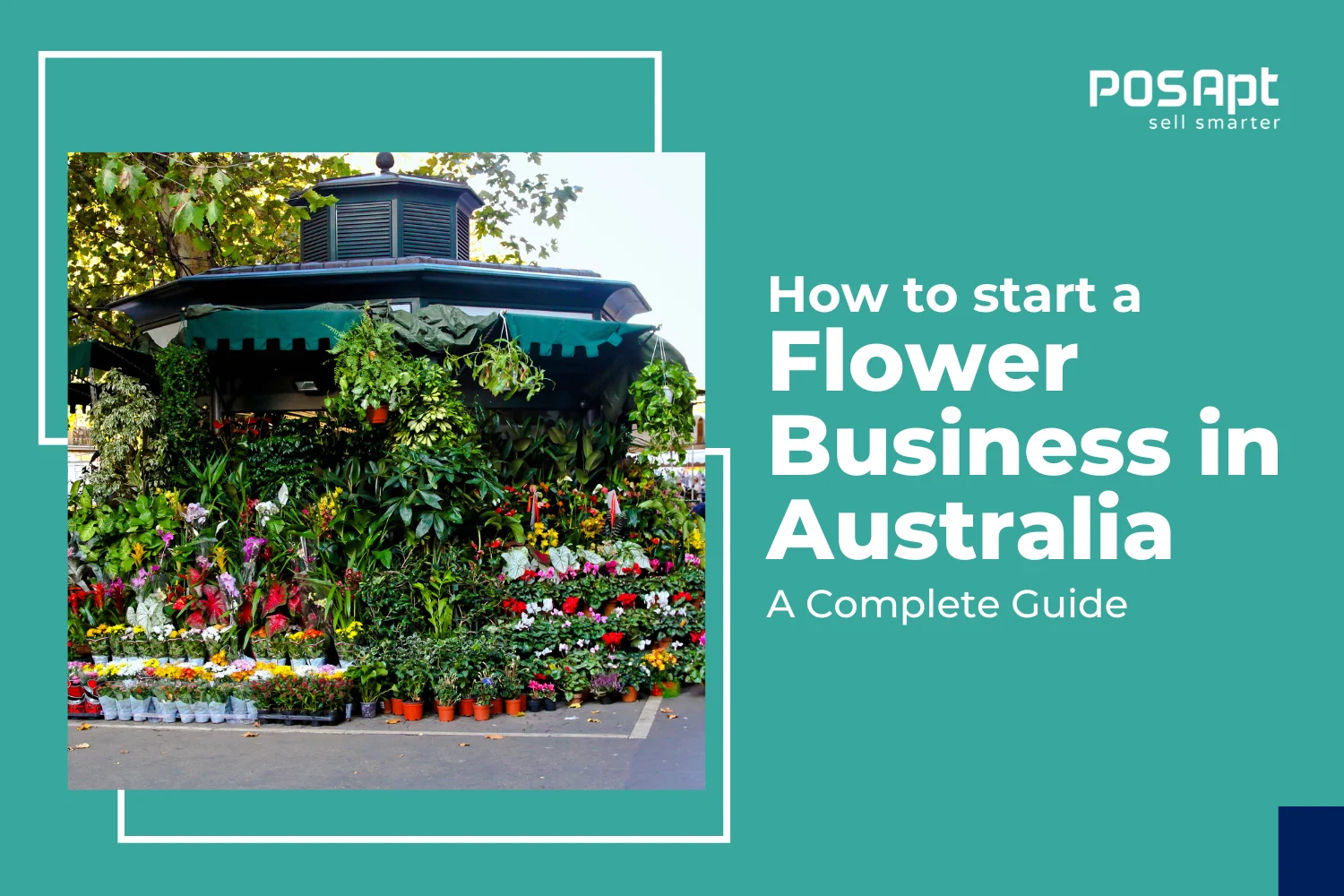
The flower industry in Australia offers opportunities for entrepreneurs who enjoy working with creative products and customer-focused businesses. Florists supply flowers for birthdays, anniversaries, weddings, funerals, corporate events, Mother’s Day, Valentine’s Day, and countless other occasions throughout the year.
However, running a flower business involves much more than arranging bouquets. You will need to manage perishable stock, source flowers from reliable suppliers, control wastage, organise deliveries, attract customers, and maintain consistent cash flow throughout seasonal peaks and quieter periods.
Before investing money into a florist shop, website, or inventory, it is important to understand how the industry operates and what is required to build a profitable flower business.
What Type of Flower Business Do You Want to Start?
One of the first decisions you need to make when starting a flower business is choosing your business model. Different types of flower businesses have different startup costs, operational requirements, and revenue opportunities.
Retail Florist Shop
A traditional florist shop sells flowers directly to customers from a physical location.
Products often include:
- Fresh bouquets
- Flower arrangements
- Indoor plants
- Gift hampers
- Chocolates
- Greeting cards
- Balloons
A retail shop provides visibility and walk-in traffic, particularly if located in a busy shopping strip or shopping centre. However, retail premises come with higher costs such as rent, utilities, shop fit-out expenses, insurance, and staffing.
This model is often suitable for business owners who want a strong local presence and the ability to serve both walk-in and online customers.
Online Flower Delivery Business
Many new florists start online without opening a physical shop.
Customers place orders through a website, and flowers are prepared and delivered directly to homes, workplaces, hospitals, or event venues.
This model can significantly reduce overhead costs because there is no need for a retail storefront. However, success depends heavily on marketing, search engine visibility, and efficient delivery systems.
Wedding and Event Florist
Wedding and event florists specialise in larger projects rather than daily retail sales.
Services may include:
- Bridal bouquets
- Ceremony flowers
- Reception centrepieces
- Corporate events
- Hotel functions
- Product launches
A single wedding can generate thousands of dollars in revenue. However, bookings may fluctuate throughout the year, which means many event florists also offer retail or corporate services to maintain consistent income.
Home-Based Florist Business
Many successful florists begin from home.
Starting from home allows you to test demand without committing to commercial rent and fit-out costs. This approach is particularly common for wedding florists and online flower delivery businesses.
Before operating from home, check local council requirements and zoning regulations to ensure the business can legally operate from your property.
Research Demand in Your Area
Before committing to equipment or inventory, it’s important to understand whether there’s genuine demand in your chosen area when launching a flower business.
Review Existing Florists
Search for florists within your service area and analyse:
- Product range
- Pricing
- Delivery fees
- Customer reviews
- Website quality
- Social media activity
- Google ratings
The goal is not to copy competitors. Instead, identify opportunities they may be missing.
For example:
- Do most florists only operate during business hours?
- Are same-day delivery options limited?
- Are wedding florists heavily booked?
- Are corporate flower services being offered?
- Is there demand for premium arrangements?
Understanding these gaps can help you position your business more effectively.
Identify Your Target Customers
Not all flower buyers are the same.
A wedding customer has very different requirements compared to someone ordering birthday flowers or a business ordering weekly office arrangements.
Common customer groups include:
Retail Customers
These customers purchase flowers for personal occasions such as birthdays, anniversaries, celebrations, and gifts.
Corporate Clients
Corporate clients may require regular flower deliveries for offices, reception areas, restaurants, hotels, and events.
Wedding Customers
Wedding clients often place larger orders and require consultations, planning, and custom designs.
Funeral Customers
Funeral arrangements represent an important segment of the flower industry and often involve relationships with funeral homes and memorial service providers.
Understanding your target market will influence your pricing, marketing, product selection, and supplier relationships.
Calculate Startup Costs
One of the most common mistakes when starting a flower business is underestimating startup costs.
Flowers are perishable products. Unsold inventory becomes waste, which means cash flow management is particularly important.
Equipment and Refrigeration
Most flower businesses require:
- Floral tools
- Work benches
- Buckets and containers
- Refrigeration units
- Storage shelving
- Packaging materials
A commercial floral cooler can represent a significant investment but may help reduce wastage and extend flower life.
Initial Inventory
Your initial inventory will depend on your business model.
Typical inventory includes:
- Fresh flowers
- Foliage
- Ribbons
- Wrapping materials
- Vases
- Gift items
Avoid over-ordering during the early stages. It is usually better to purchase smaller quantities while learning customer demand patterns.
Website and Marketing Costs
Most flower businesses require:
- Website development
- Domain registration
- Hosting
- Google Ads
- Social media advertising
- Photography
Professional product photography is particularly important because flowers are highly visual products.
Delivery Costs
If offering delivery services, factor in:
- Vehicle costs
- Fuel
- Insurance
- Driver wages
- Route planning software
Delivery expenses can significantly affect profitability if not properly priced.
Register Your Flower Business
Once you have validated demand and estimated costs to open the flower shop, you can proceed with registration.
Choose a Business Structure
Most florists start as either:
Sole Trader
Suitable for smaller businesses and owner-operated florists.
Advantages include:
- Lower setup costs
- Simpler administration
- Lower accounting expenses
Company
A company structure may be more appropriate for businesses planning to expand, hire staff, or operate multiple locations.
A company provides greater separation between personal and business assets but involves additional compliance obligations.
Choose a Business Name
Your business name should be:
- Easy to remember
- Easy to spell
- Relevant to your market
- Available as a domain name
Before making a final decision, search the ASIC register for existing business names and company names. You should also search IP Australia’s trademark database to identify potential trademark conflicts.
Apply for an ABN
Most flower businesses require an Australian Business Number (ABN).
An ABN allows you to:
- Invoice customers
- Purchase wholesale stock
- Register for GST
- Open business accounts
Many wholesalers will expect businesses to operate with a valid ABN.
Register for GST
Businesses with annual turnover exceeding $75,000 generally need to register for GST.
Because flower businesses often purchase stock from wholesalers, some owners choose to register earlier to claim GST credits on business expenses.
Find Reliable Flower Suppliers
Suppliers can significantly influence product quality, customer satisfaction, and profitability.
Flower Wholesalers
Most Australian florists purchase flowers through wholesalers.
Wholesalers typically offer:
- Large product ranges
- Regular deliveries
- Competitive pricing
- Seasonal products
However, quality can vary between suppliers, so visiting wholesalers personally is often worthwhile.
Local Growers
Local growers can provide:
- Fresher flowers
- Unique varieties
- Reduced transport times
Many florists use local growers to differentiate themselves from competitors.
Imported Flowers
Certain flowers are imported throughout the year.
Imported flowers may provide access to products unavailable locally, but prices and availability can fluctuate due to shipping costs and seasonal conditions.
Compare Supplier Pricing
Do not choose suppliers based solely on price.
Evaluate:
- Flower quality
- Delivery reliability
- Product consistency
- Availability
- Customer service
A slightly more expensive supplier may ultimately reduce wastage and improve customer satisfaction.
Learn Which Flowers Are Available Throughout the Year
Flower availability changes throughout the year.
Before advertising products, understand which flowers can be sourced consistently and which are seasonal.
Seasonal Flowers
Many flowers experience seasonal availability, including:
- Tulips
- Peonies
- Dahlias
- Sunflowers
Demand often remains constant while supply changes, which can significantly affect pricing.
Native Australian Flowers
Native flowers remain popular throughout Australia and often provide longer vase life.
Examples include:
- Proteas
- Banksias
- Wax flowers
- Kangaroo paws
Many florists use natives to create unique arrangements while reducing reliance on imported flowers.
Set Up Your Florist Operations
Strong operational systems help reduce errors, improve efficiency, and support growth.
Choose a POS System
A modern florist POS system can help manage:
- Sales
- Inventory
- Customer information
- Gift cards
- Reporting
- Online orders
If you operate both online and in-store, look for software that synchronises inventory across all sales channels.
Implement Inventory Management
Inventory management is one of the most important responsibilities in a flower business.
Track:
- Daily sales
- Product wastage
- Seasonal demand
- Supplier performance
Understanding which products sell consistently allows you to make better purchasing decisions.
Create Delivery Procedures
Customers purchasing flowers often expect reliable delivery.
Establish procedures for:
Same-Day Deliveries
Determine cut-off times and delivery zones.
Scheduled Deliveries
Ensure systems can manage future orders efficiently.
Delivery Tracking
Customers appreciate updates regarding delivery status, particularly for important occasions.
Build Your Website and Online Store
Many customers will discover your business online before visiting or placing an order.
Create Product Categories
Organise products into logical categories such as:
- Birthday flowers
- Anniversary flowers
- Sympathy flowers
- Wedding flowers
- Corporate flowers
- Native arrangements
This improves both user experience and search engine visibility.
Use Professional Photography
Flower purchases are highly visual.
Invest in quality photography that accurately represents your products.
Poor images can significantly reduce conversion rates.
Offer Online Ordering
Customers increasingly expect the ability to:
- Order online
- Schedule deliveries
- Pay securely
- Receive confirmation emails
A streamlined ordering process can improve both sales and customer satisfaction.
Market Your Flower Business
Marketing should begin before launch rather than after.
Set Up Google Business Profile
A Google Business Profile helps customers find your business through:
- Google Search
- Google Maps
- Local search results
Include:
- Business hours
- Photos
- Delivery areas
- Contact information
Invest in Local SEO
Many flower purchases are made through local searches.
Examples include:
- Florist near me
- Flower delivery Melbourne
- Wedding florist Sydney
- Same-day flower delivery Brisbane
Optimising your website for local searches can generate ongoing enquiries without ongoing advertising costs.
Use Google Ads
Google Ads can provide immediate visibility while SEO efforts develop.
Campaigns can target:
- Flower delivery
- Wedding flowers
- Funeral flowers
- Corporate flowers
Build Referral Relationships
Referral partnerships can become valuable lead sources.
Potential partners include:
- Wedding venues
- Funeral homes
- Event planners
- Hotels
- Restaurants
- Photographers
These relationships often generate repeat business.
Grow Your Revenue
Many florists focus solely on daily bouquet sales. Diversifying revenue streams can improve stability and profitability.
Corporate Flower Contracts
Businesses often require regular floral arrangements.
Weekly or monthly contracts can provide predictable revenue.
Wedding Packages
Wedding services can generate significantly higher order values than retail sales.
Many florists develop package options to simplify quoting and improve efficiency.
Flower Subscription Services
Subscription services provide recurring revenue.
Examples include:
- Weekly flower deliveries
- Monthly flower boxes
- Corporate flower subscriptions
Gift Hampers and Add-On Products
Additional products can increase average order value.
Popular options include:
- Chocolates
- Candles
- Greeting cards
- Gift hampers
- Indoor plants
Flower Business Startup Checklist
Before launching your flower business, ensure you have:
- Chosen a business model
- Researched local demand
- Identified your target customers
- Calculated startup costs
- Selected a business structure
- Registered your business
- Applied for an ABN
- Established supplier relationships
- Organised refrigeration and storage
- Implemented inventory systems
- Selected a POS system
- Built a website
- Set up online ordering
- Created delivery procedures
- Established marketing campaigns
Final Thoughts
Starting a flower business can be both rewarding and profitable when supported by strong operational systems and effective inventory management. While floral design skills are important, long-term success often depends on minimising waste, sourcing quality flowers, managing cash flow efficiently, and consistently attracting new customers.
Before launching, focus on understanding your local market, building supplier relationships, and establishing systems that can support growth. These foundations will make it easier to scale the business and maintain profitability as demand increases.


